What Is a Mortise Lock and Why Do Older LA Homes Use Them?
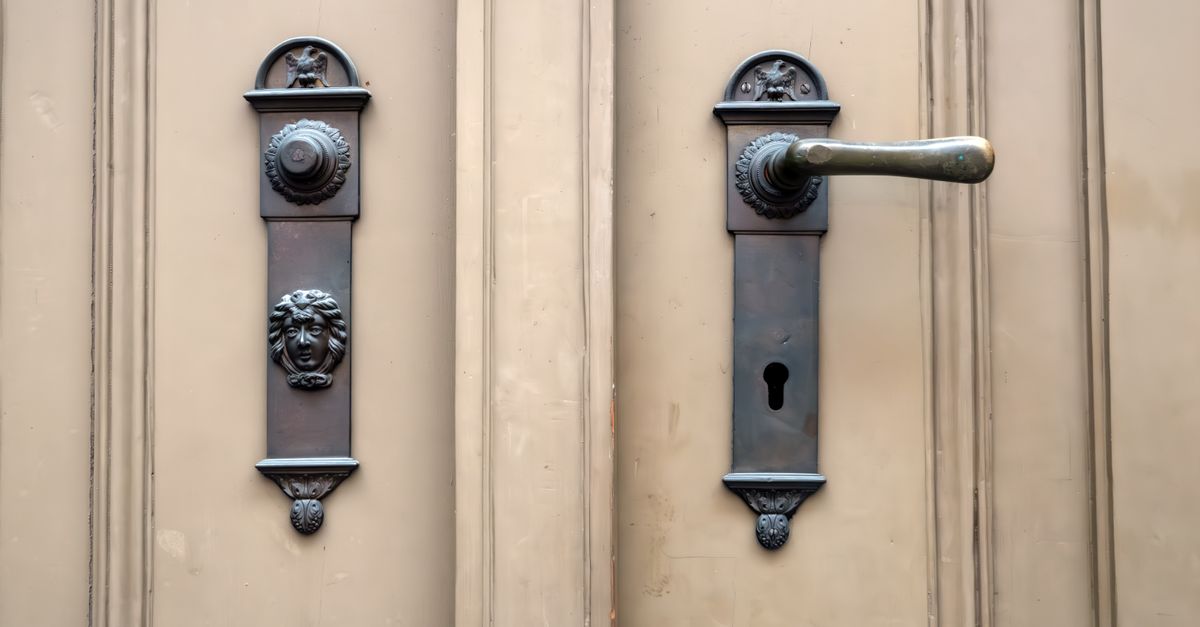
A mortise lock is a multi-function lock body recessed entirely into the door stile rather than surface-mounted on it. The assembled unit typically includes a spring latch, a deadbolt, and a cylinder hub — all housed in a single cast or machined case. Unlike a standard cylindrical lockset that bores a simple hole through the face of the door, a mortise lock requires a rectangular pocket routed deep into the door's edge, plus coordinating holes for the cylinder, knob spindle, and rose plates. The result is a mechanism with far greater holding strength and a much thinner exterior profile. In Los Angeles, the prevalence of these locks reflects the city's building boom of the 1920s through 1950s, when mortise hardware was the industry standard for anything above entry-level construction. Many of those doors — solid-core fir and oak in properties along streets like Moorpark, Cahuenga, and Beachwood Drive — are still in daily use and still fitted with their original lock bodies.
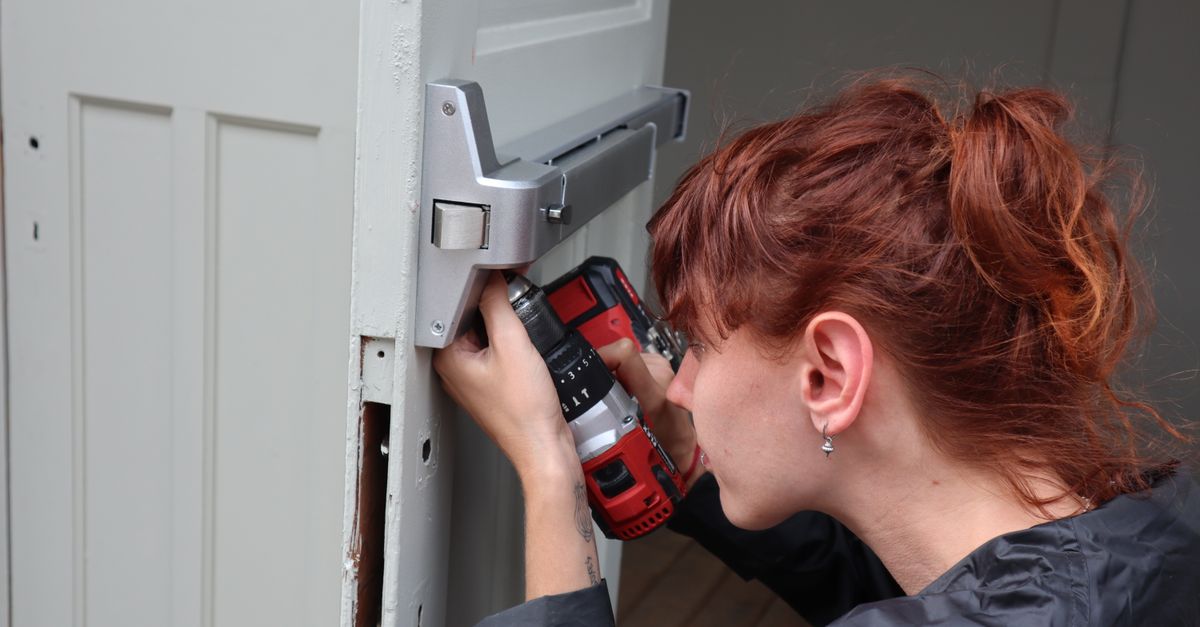
What is a mortise lock in practical terms for a homeowner today? It is both an asset and a commitment. The asset is durability and resistance to forced entry that a basic cylindrical knob set cannot match. The commitment is that repair and replacement require a locksmith who actually stocks mortise-specific parts and understands how the internal levers, cams, and springs interact. Our team does exactly that. We carry mortise lock cylinders in common keyways, full replacement lock sets for exterior and interior doors, and the specialized chisels and routers needed to enlarge or clean a pocket when hardware is swapped.