Understanding What Makes Audi Key Replacement More Complex Than a Standard Cut
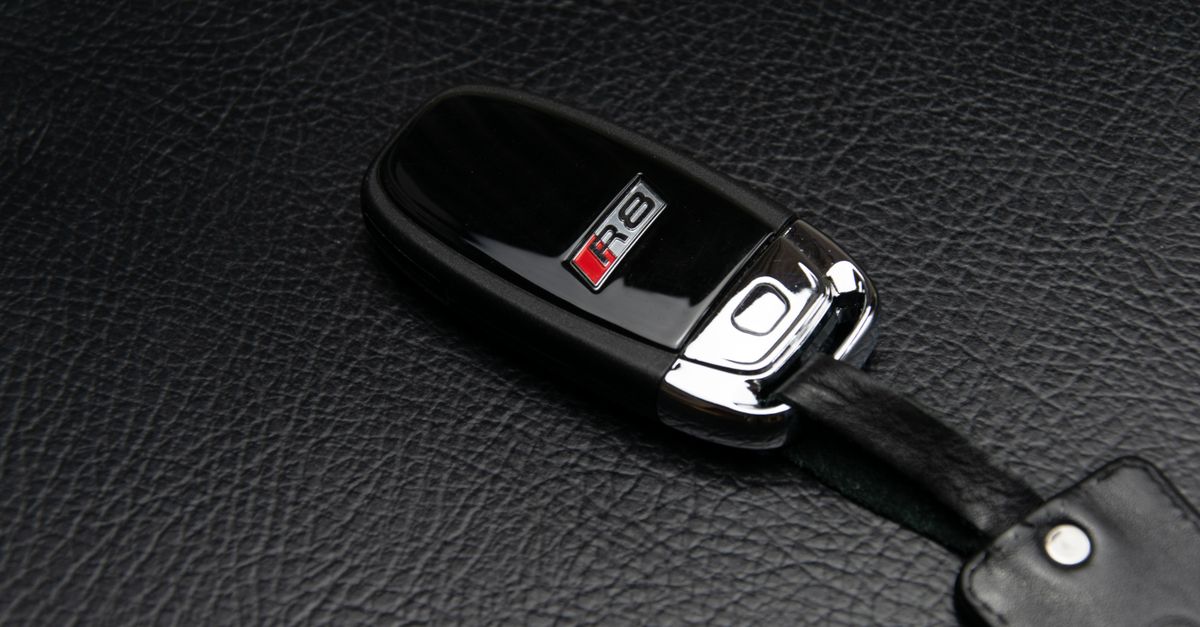
Audi has used several generations of key technology across its model lineup, and knowing which type your vehicle uses matters enormously for a successful replacement. Older Audi models from the late 1990s and early 2000s may use a basic transponder key — a standard blade with an embedded microchip that must be programmed to match your car's ECU. Mid-generation models introduced remote key fobs with integrated flip blades, combining the transponder chip with lock and unlock buttons. More recent Audis use proximity smart keys, sometimes called Advance Key or Comfort Key, which allow keyless entry and push-button starting without ever removing the key from your pocket or bag.
Each of these key types requires a different replacement process. A transponder key must be cut to the correct mechanical profile and then electronically paired to the vehicle's immobilizer. A smart key must be programmed using OBD-II-level diagnostic equipment that communicates directly with the car's control modules. Our technicians arrive equipped with professional-grade key cutting machines and programming tools that support the full range of Audi models, including vehicles using Megamos and Megamos Crypto transponder platforms. We do not rely on guesswork — we pull the correct key profile and programming protocol for your specific VIN before we begin.